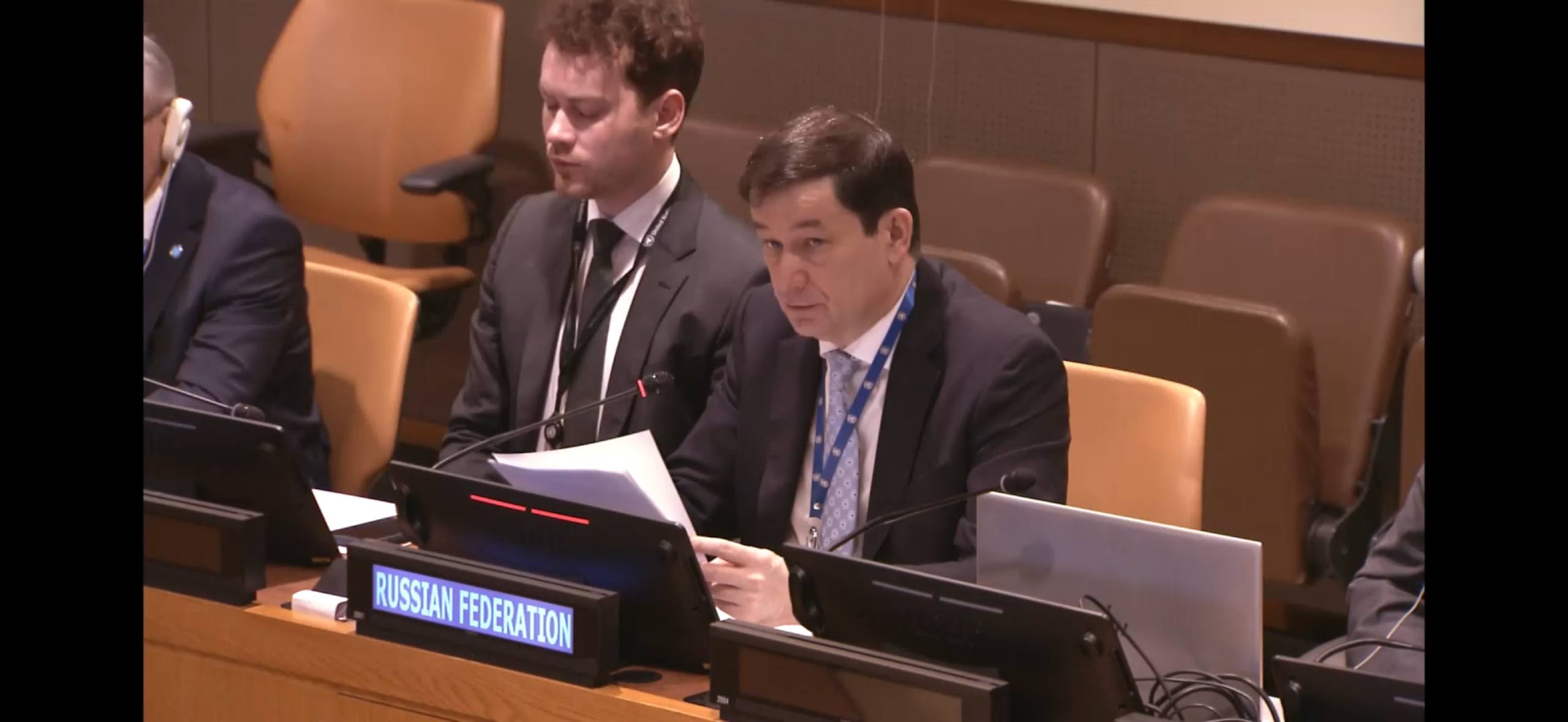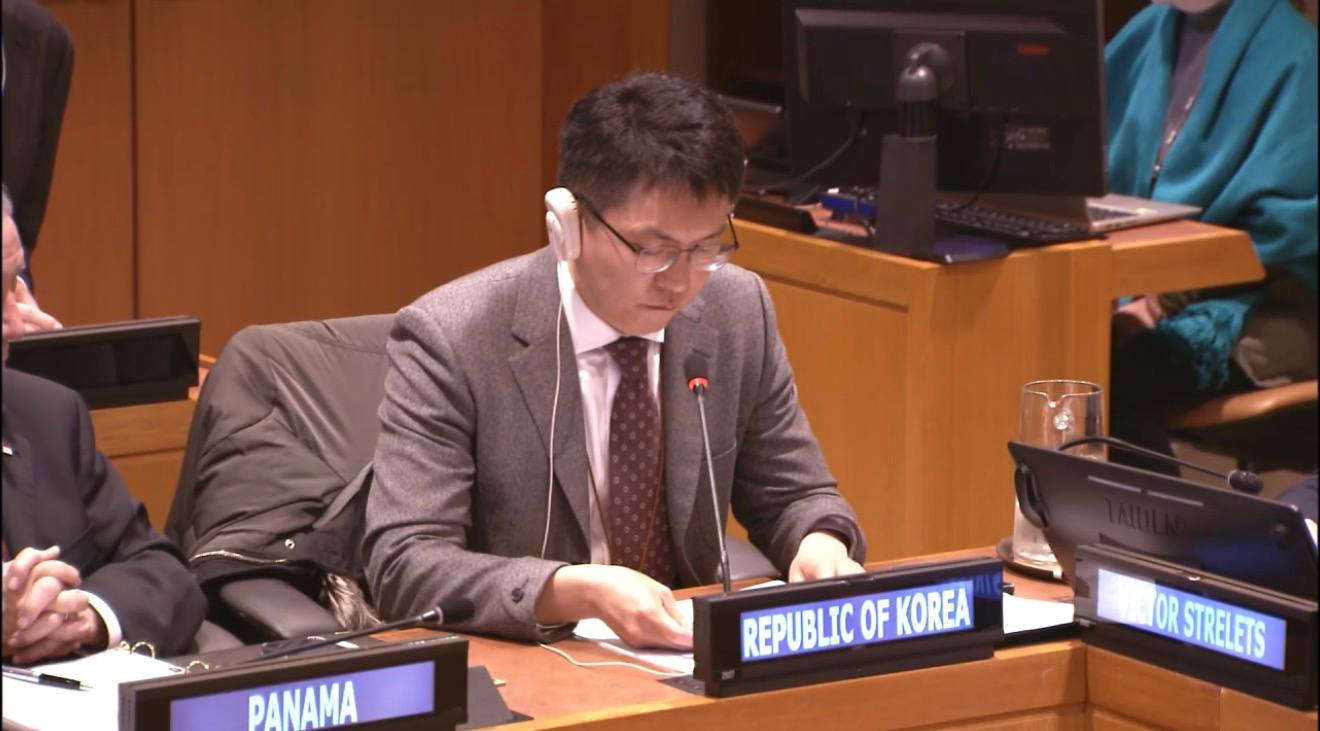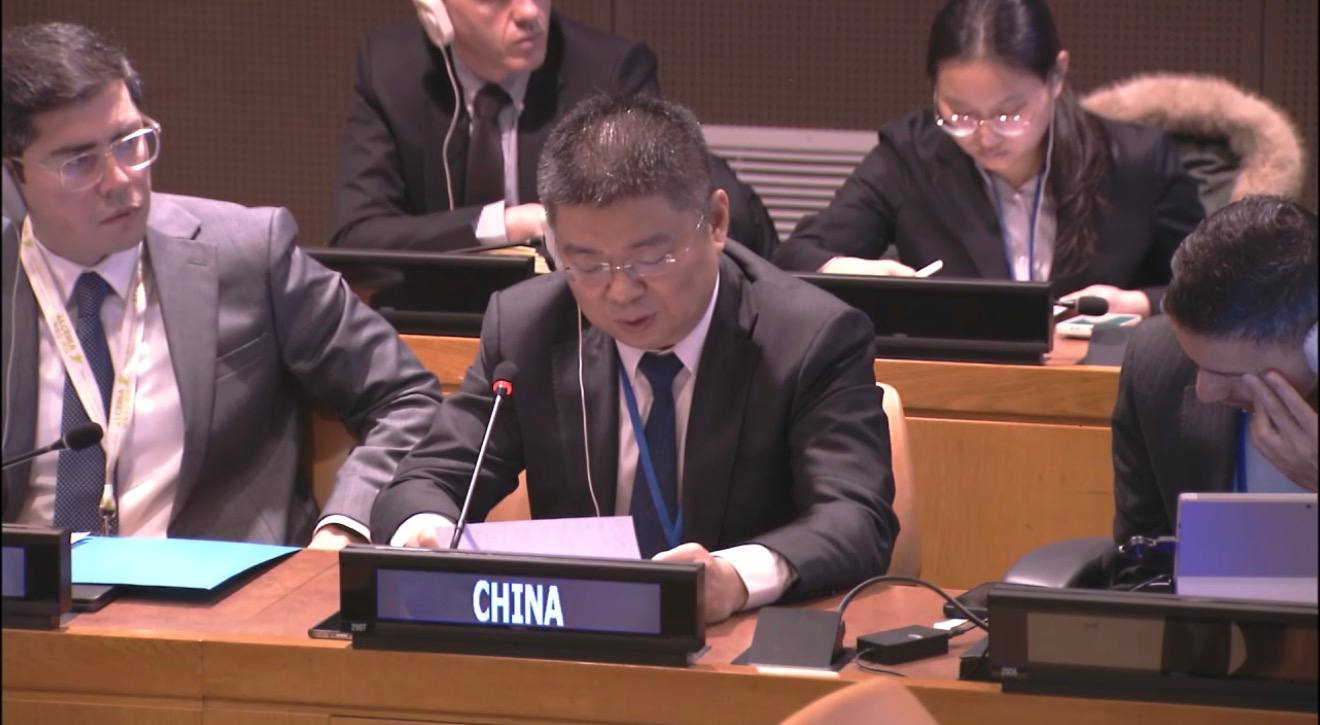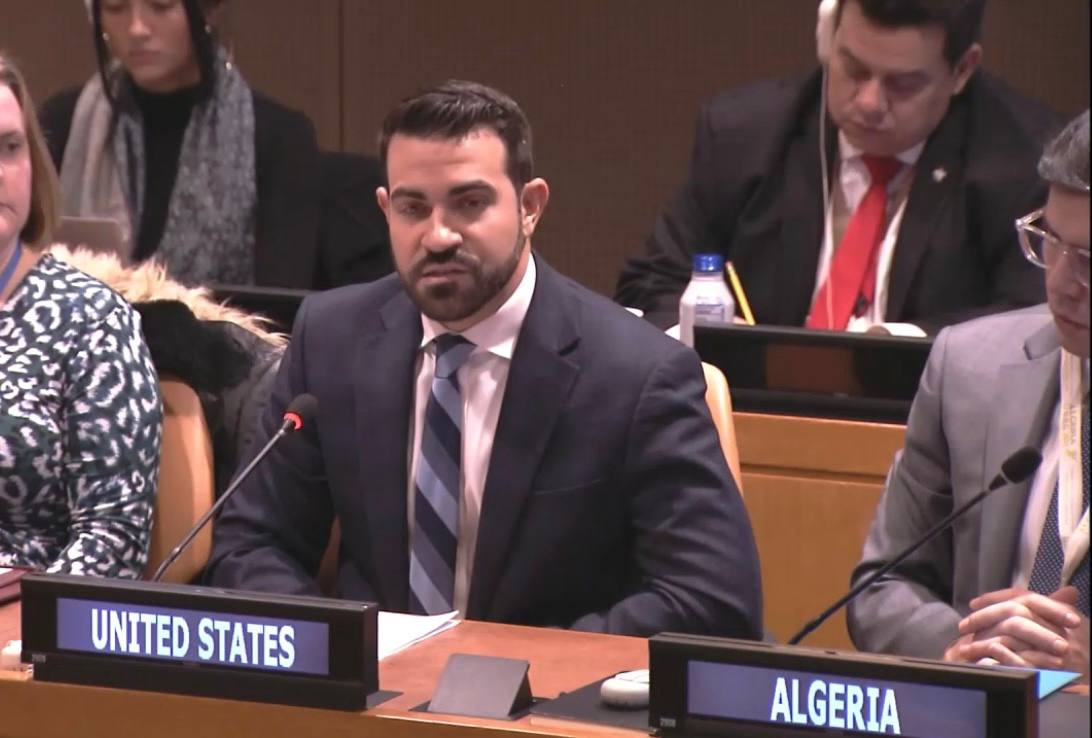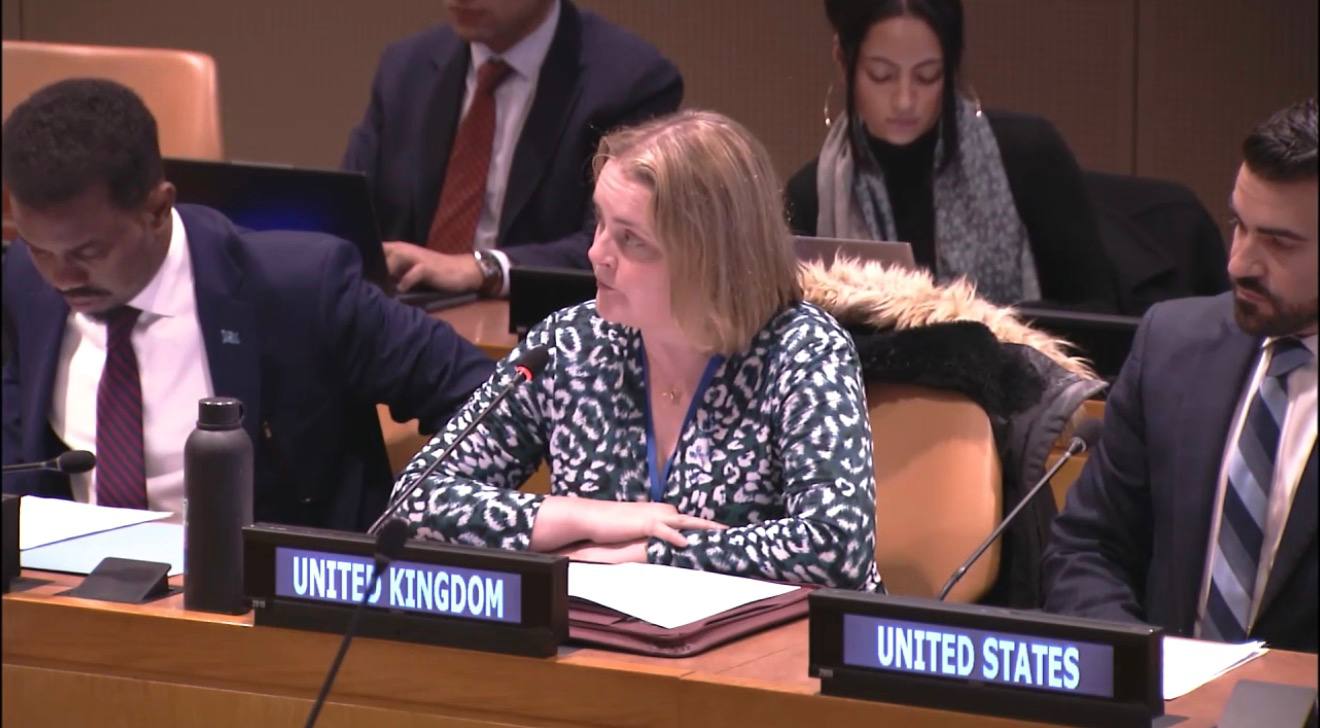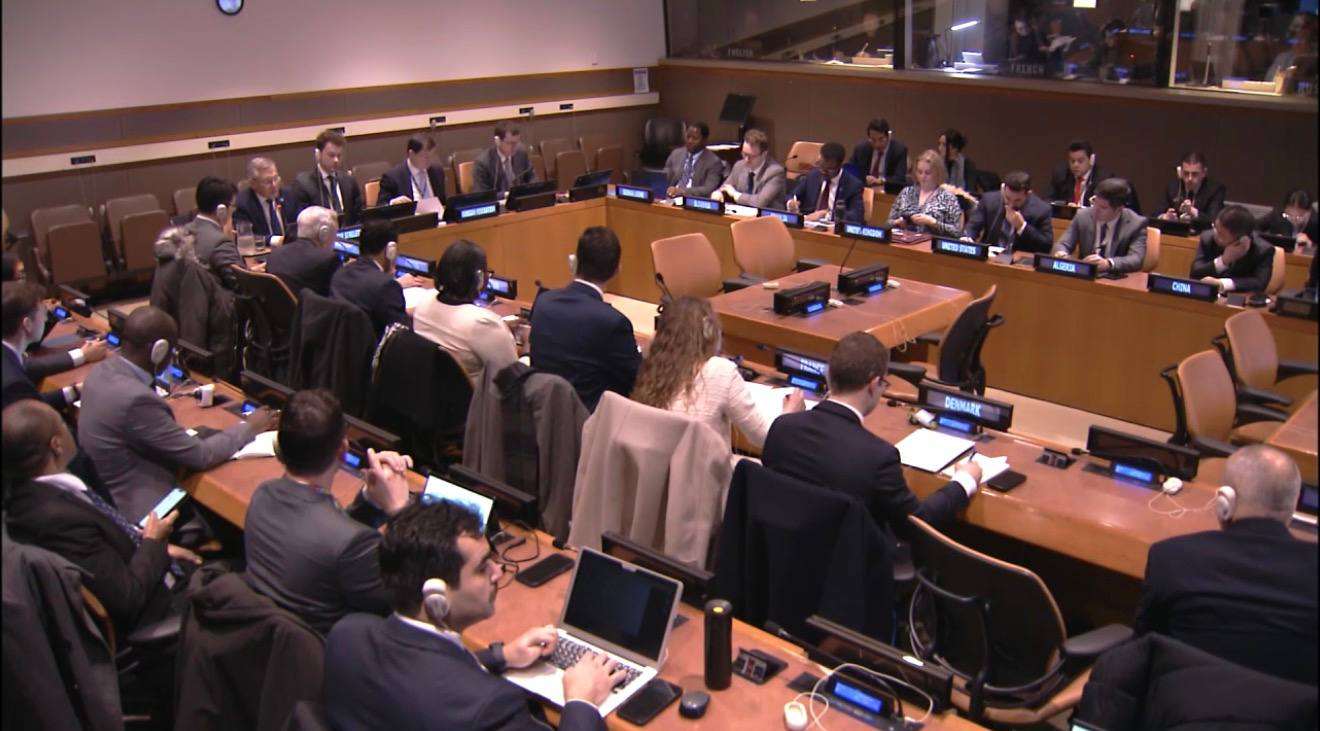
On December 29, at the initiative of the Russian Federation, an informal meeting of the UN Security Council under the "Arria-formula"* was held in a hybrid format in New York. The meeting addressed the risks associated with the uncontrolled use of low Earth orbit (LEO) satellite systems.
The meeting was chaired by Dmitry Polyansky, First Deputy Permanent Representative of the Russian Federation to the United Nations in New York.
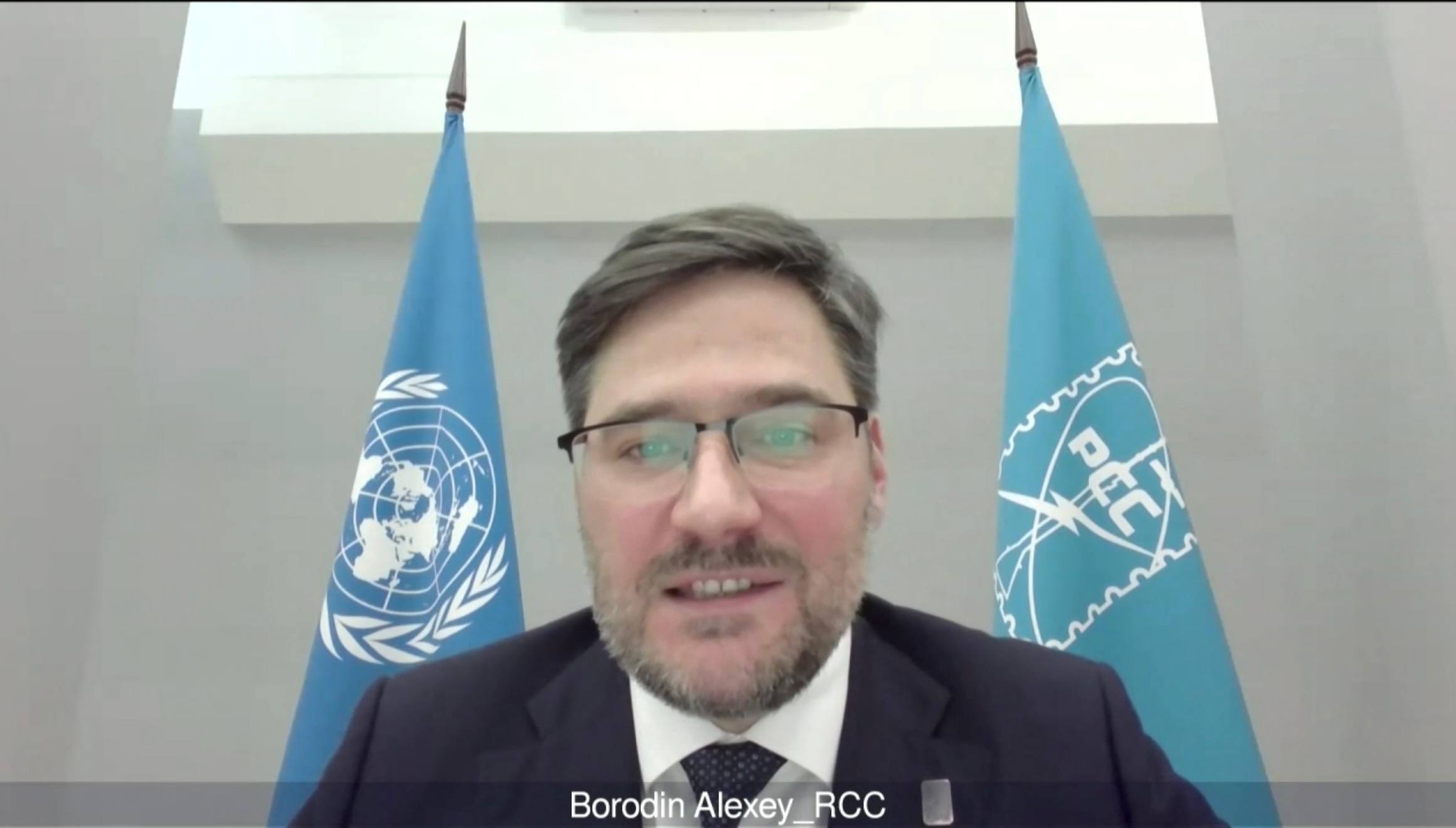
At the invitation of the Russian Ministry of Foreign Affairs, the report was delivered by Alexey Borodin, Director General of the RCC Executive Committee.
In his report, A. Borodin focused on the types of regulatory measures and permitting procedures for non-geostationary satellite orbit (NGSO) operators that could be implemented at the international, regional, and national levels. This discussion was held particularly in the context of well-known risks associated with authorizing NGSO operators in various states, risks which primarily arise from the differing regulatory and legal frameworks governing such permissions.
Thus, for regulation at the global level, the report focused on two key proposals:
• The establishment of international organizations for space communications (IOSCs), leveraging the technological capabilities of NGSO operators to ensure cooperation and coordination between interested governments and companies. This model would be analogous to existing "geostationary" organizations such as Eutelsat, Inmarsat, and Intersputnik.
• The introduction of relevant provisions into an international treaty to which all UN Member States are parties – namely, the ITU Radio Regulations. These regulations are revised every four years at World Radiocommunication Conferences (WRC) organized by the International Telecommunication Union (ITU).
From a regional perspective, the following points were noted:
• The ability of states to refine unified regional approaches by convening Regional Radiocommunication Conferences, as provided for in the ITU Constitution and Convention.
• The advisability of developing interstate documents (e.g., recommendations, reports, agreements) that could address antimonopoly and tax regulation, technical and economic parameters for service provision, and network security requirements. The overall aim would be to foster national and/or regional NGSO systems and to ensure equal and non-discriminatory access for both regional market participants and foreign operators to markets within the region.
At the national level – in addition to applying the measures mentioned above – the following were proposed:
• Regulating the technical certification of imported end-user devices (e.g., terminals, smartphones).
• Establishing technical operation requirements for such devices within the state's territory. This would involve negotiating agreements with major smartphone manufacturers to ensure production conforms strictly to nationally permitted communication types and allocated frequency bands. Compliance must be enforced both at the hardware level and through pre-installed software, thereby preventing unauthorized or "grey" usage.
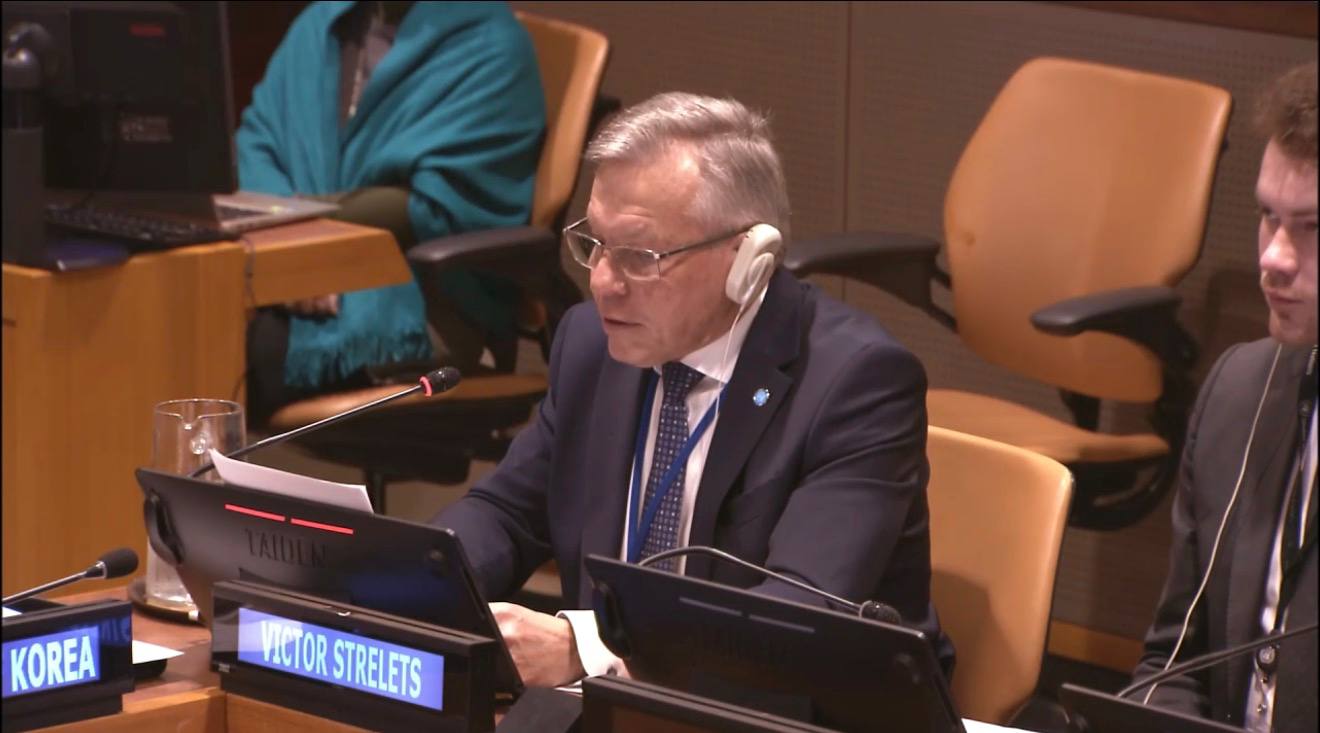
Viktor Strelets, Chairman of ITU-R Study Group 4 and a representative of the communications administration of the Russian Federation, also delivered a report, covering related matters within the Commission's mandate.
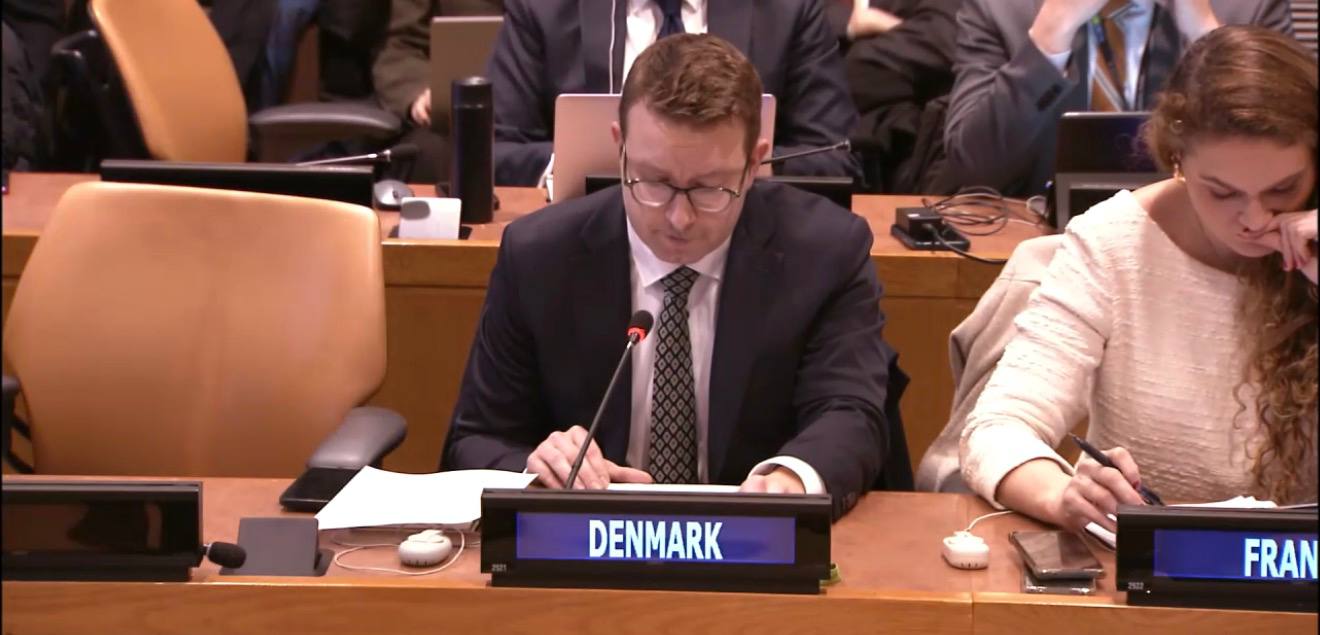
During the meeting, representatives from the following countries made statements on the topic of the consultations, including Venezuela, Slovenia, Denmark, Guyana, the Republic of Korea, France, China, Greece, Algeria, Sierra Leone, the United States, the United Kingdom, Somalia, Pakistan, Panama, Iran, East Timor, Cuba, Nicaragua, and the DPRK.
*Meetings held "under the Arria-formula" are informal consultations that enable UN Security Council members to conduct a frank exchange of views in a private setting. The format is named after Venezuelan Ambassador Diego Arria, who initiated this practice in 1992 during his tenure as Venezuela's representative on the UN Security Council (1992-1993).*
⠀
For the latest RCC news, subscribe to our official Telegram channel.
⠀